Personalised surgical care for selected cancers — supported by careful evaluation, treatment planning, coordination with oncology specialists, recovery guidance and long-term follow-up.
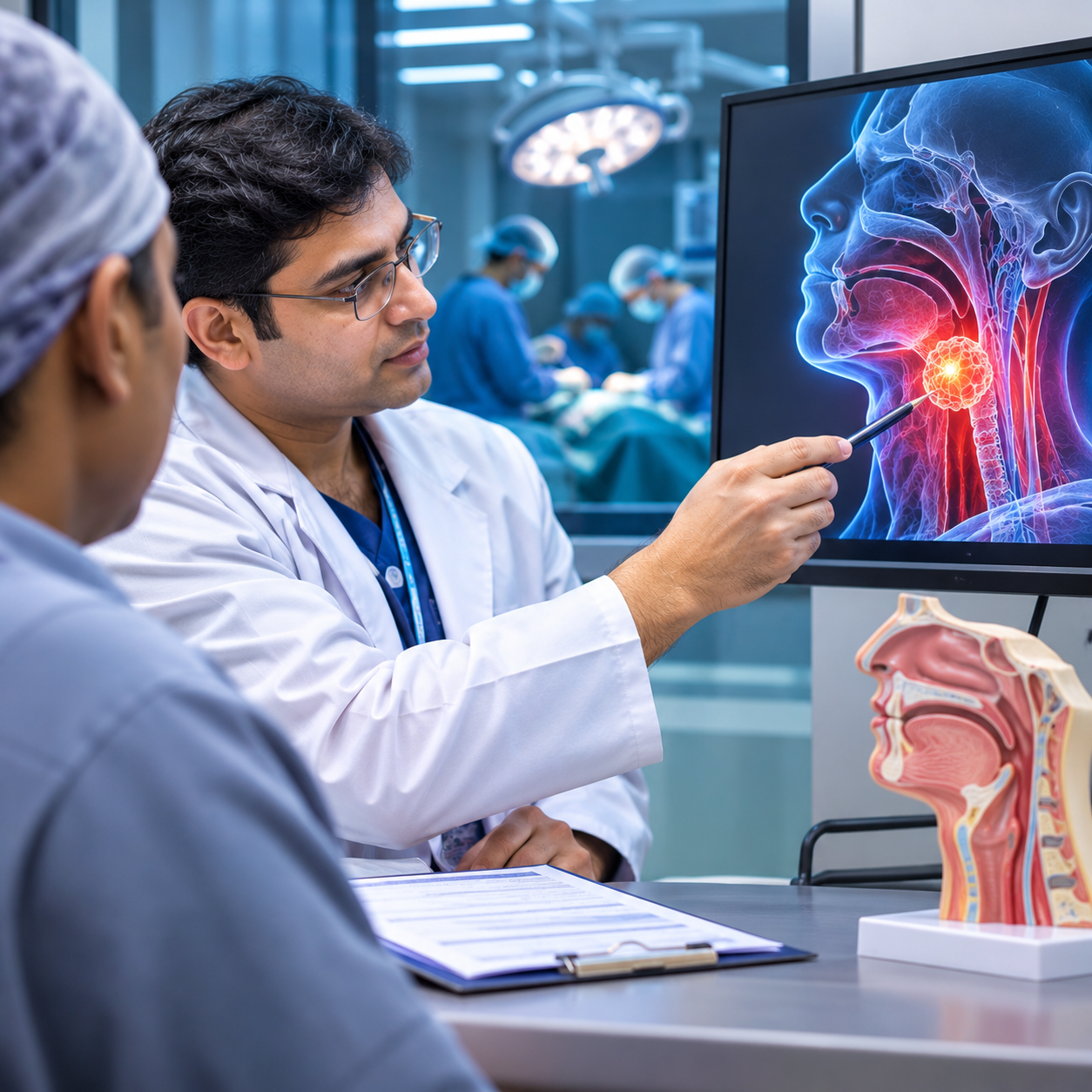
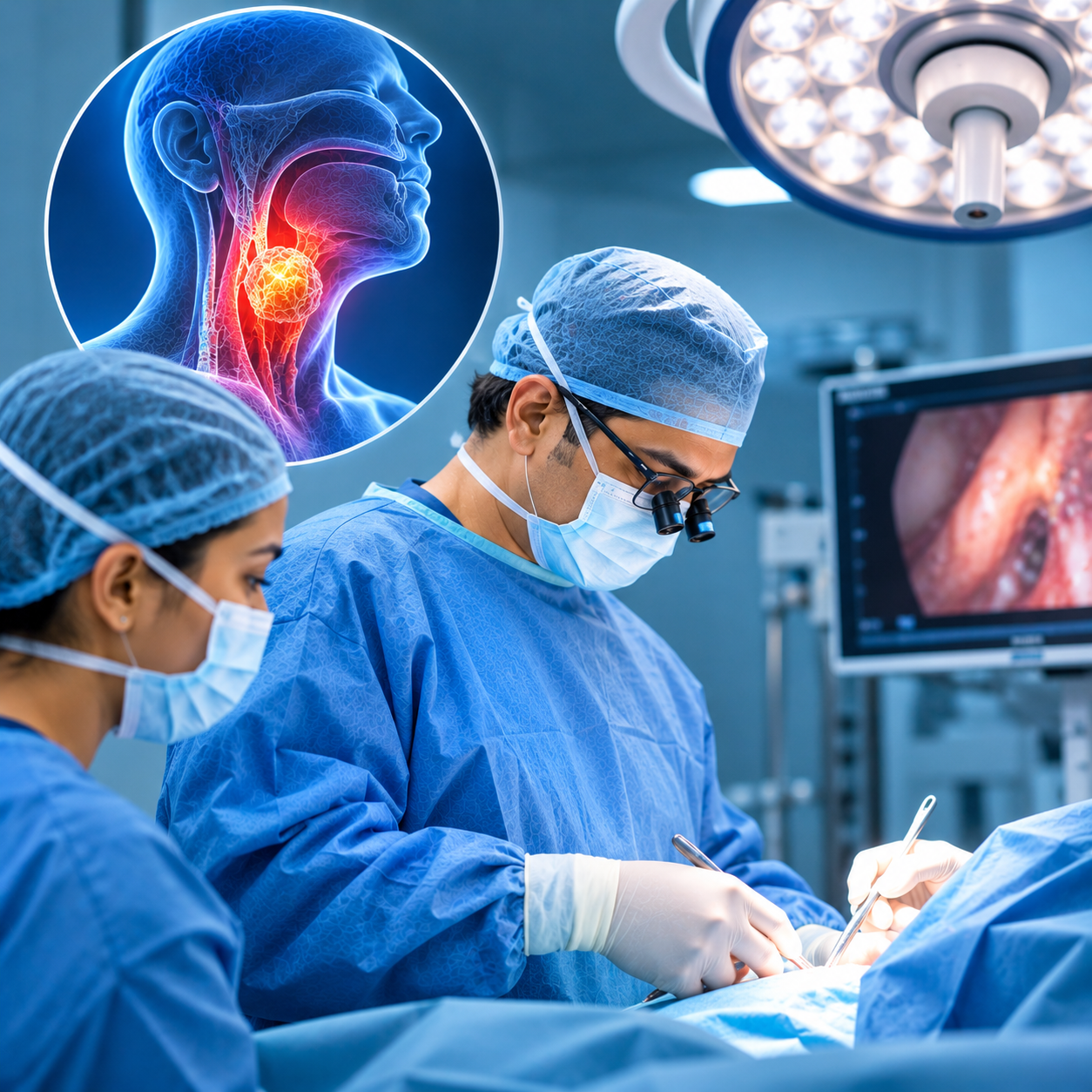
Surgical oncology is a specialised field of cancer care that focuses on the surgical diagnosis and treatment of many types of solid tumours. Depending on the cancer, surgery may be used to remove a tumour, obtain tissue for diagnosis, assess disease spread or relieve symptoms.
The recommended treatment depends on the type of cancer, its location and stage, the patient's overall health and the goals of care. Surgery may be combined with chemotherapy, radiotherapy, targeted therapy, immunotherapy or other treatments when clinically appropriate.
Surgery may form part of treatment for a range of solid tumours. Suitability is determined by the cancer team after investigations.
New, persistent or unexplained changes should be discussed with a qualified doctor. These symptoms do not necessarily mean cancer, but may need appropriate evaluation.
The type and extent of surgery depend on the cancer diagnosis, stage, location and treatment goals. Your specialist will explain the potential benefits, risks and alternatives for the recommended approach.
Removal of a cancerous growth with an appropriate margin of surrounding tissue when this is part of the recommended treatment plan.
Selected procedures may include breast-conserving surgery or mastectomy, with the choice based on tumour features and individual circumstances.
Surgery for selected cancers affecting the oral cavity, throat, larynx, salivary glands and other head and neck structures.
Operations for selected cancers of the digestive system, planned according to the organ involved and extent of disease.
Specialist procedures for selected cancers of the reproductive organs, chest, urinary system or soft tissues, depending on available expertise.
Recovery is individual and depends on the operation and the patient's overall health. The care team provides guidance, monitors healing and coordinates any additional treatment or rehabilitation that may be needed.
Your care team will advise on prescribed medicines and how to manage expected symptoms after surgery.
Follow instructions for wound care, dressings and symptoms that should be reported promptly.
Nutrition advice may help support healing and strength during recovery and other cancer treatments.
Scheduled appointments help review recovery, pathology results, treatment response and ongoing needs.
Rehabilitation and supportive services may be recommended according to the operation and individual needs.
If you or a loved one has been diagnosed with cancer or advised to consider surgery, speak with a cancer specialist to understand the diagnosis and available treatment options.