Radiotherapy uses carefully planned, high-energy radiation to damage cancer cells and control their growth. Treatment is tailored to the cancer type, location, stage, imaging results and individual health.
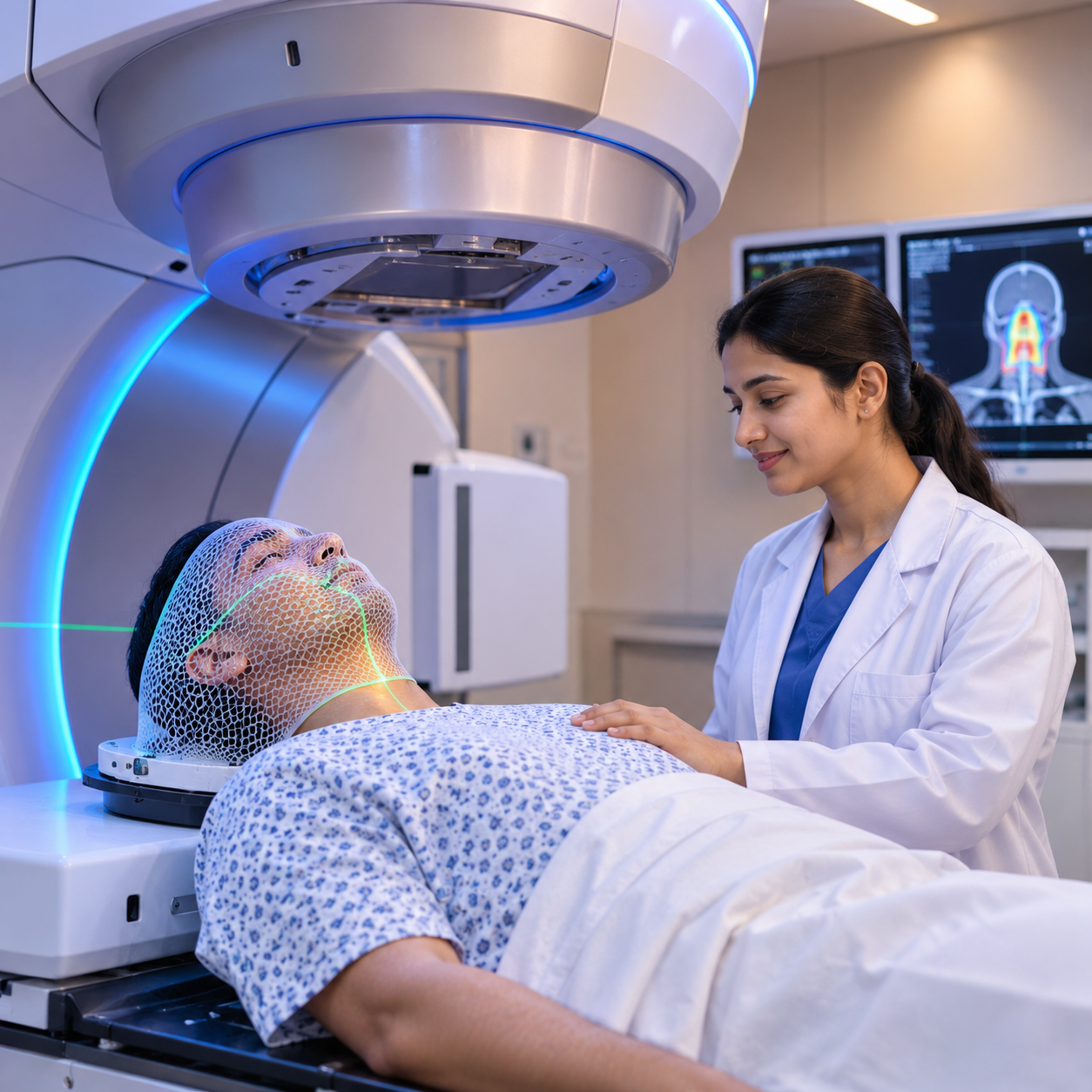
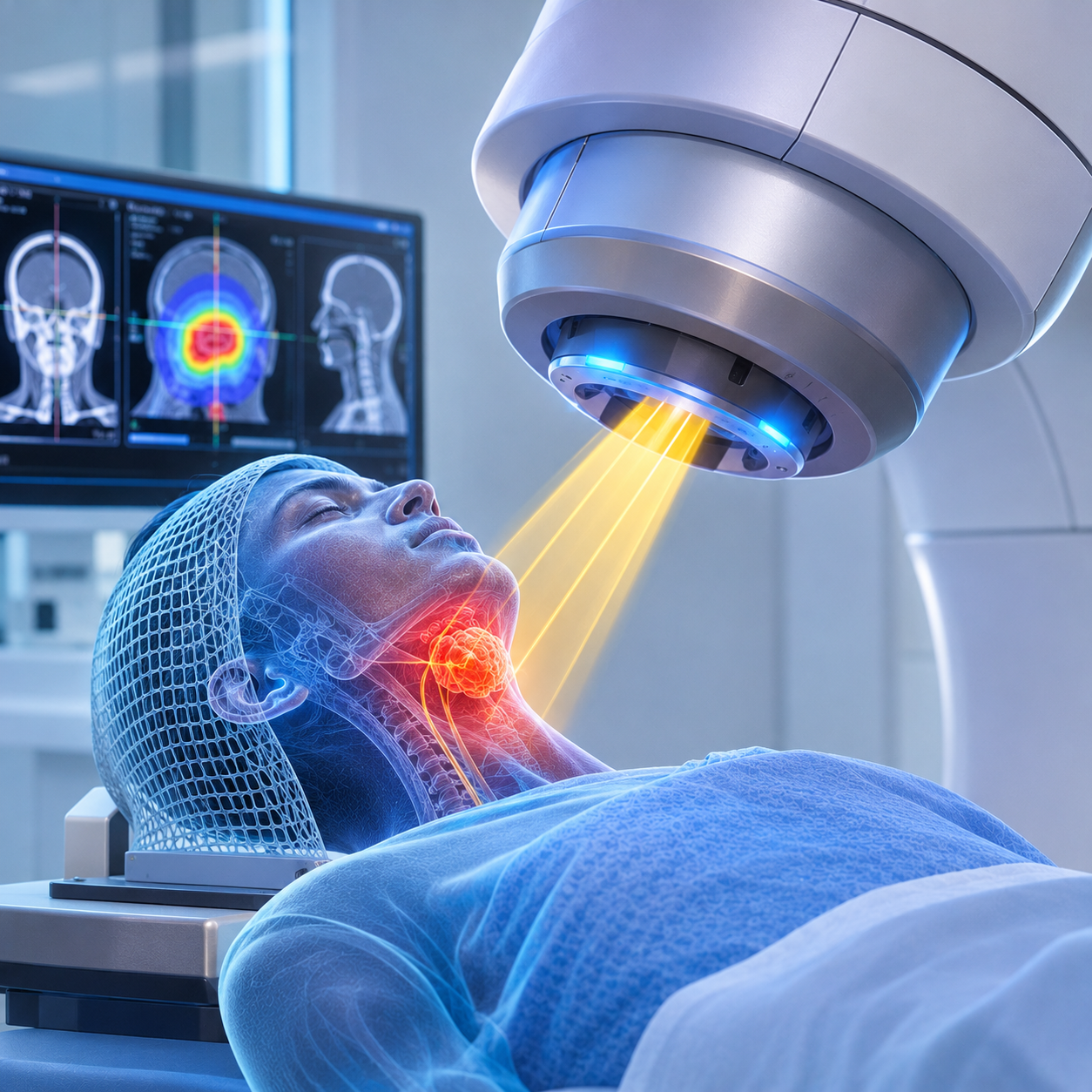
Radiotherapy (radiation therapy) is a cancer treatment that uses focused radiation to damage the DNA of cancer cells, making it harder for them to grow and divide. It is carefully planned to treat the tumour while limiting exposure to nearby healthy tissues.
Radiotherapy may be used on its own or in combination with surgery, chemotherapy, targeted therapy or immunotherapy. The radiation oncology team considers the cancer type, site and stage, treatment goals, scans, previous treatments and overall health before recommending a plan.
Depending on the diagnosis and treatment plan, radiotherapy may be considered for several cancers, including:
The radiation technique, target area, dose and schedule depend on the cancer diagnosis, treatment intent and individual anatomy. Careful planning helps protect nearby organs and healthy tissues, and treatment is monitored by the specialist team.
Different radiotherapy techniques are selected according to tumour location, size, treatment goals and nearby organs. The radiation oncology team determines the most appropriate approach after reviewing scans and clinical findings.
Radiation is delivered from a machine outside the body and directed towards the planned treatment area. Sessions are usually scheduled over multiple visits, depending on the prescribed course.
IMRT shapes and adjusts radiation beams to match the target area. It can help deliver a carefully planned dose while reducing exposure to some nearby healthy structures.
IGRT uses imaging before or during treatment to help verify the patient position and treatment area, supporting accurate radiation delivery.
For selected cases, highly focused radiation is delivered in a small number of sessions. Suitability depends on the tumour size, location, diagnosis and specialist assessment.
Brachytherapy places a radiation source inside or close to the treatment area for selected cancers. Palliative radiotherapy may be used to relieve symptoms such as pain or bleeding when clinically appropriate.
Care continues throughout radiotherapy. Your team reviews your progress, checks the treatment area and helps manage side effects. Tell your care team about new or worsening symptoms and follow the instructions provided during treatment.
Side effects depend on the body area being treated and may include tiredness, skin irritation, soreness or swallowing discomfort in head and neck treatment. Your team can recommend suitable skin, mouth, nutrition and pain care. Report severe or worsening symptoms promptly.
Planning scans, positioning checks and review appointments help the team deliver treatment as intended. Additional tests or examinations may be arranged according to the cancer type and treatment plan.
Maintain hydration and follow nutrition advice, especially if treatment affects the mouth or swallowing. Rest and gentle activity may help wellbeing. Ask your care team before using supplements or herbal products.
Radiotherapy is commonly delivered in scheduled sessions over a planned course. Attend each appointment and contact your team if you cannot attend or need help managing treatment-related symptoms.
Keep appointments and tell your care team about new symptoms, medicines, supplements or changes in your health. Do not interrupt or change your radiotherapy schedule without discussing it with your treatment team.
If you or a loved one is considering radiotherapy, consult a radiation oncology specialist to understand the proposed treatment plan, expected benefits, possible side effects and available alternatives.