
Immunotherapy is a type of cancer treatment that helps the immune system recognise and fight cancer. Treatment options are selected after a detailed assessment of the cancer type, stage, test results and individual health.
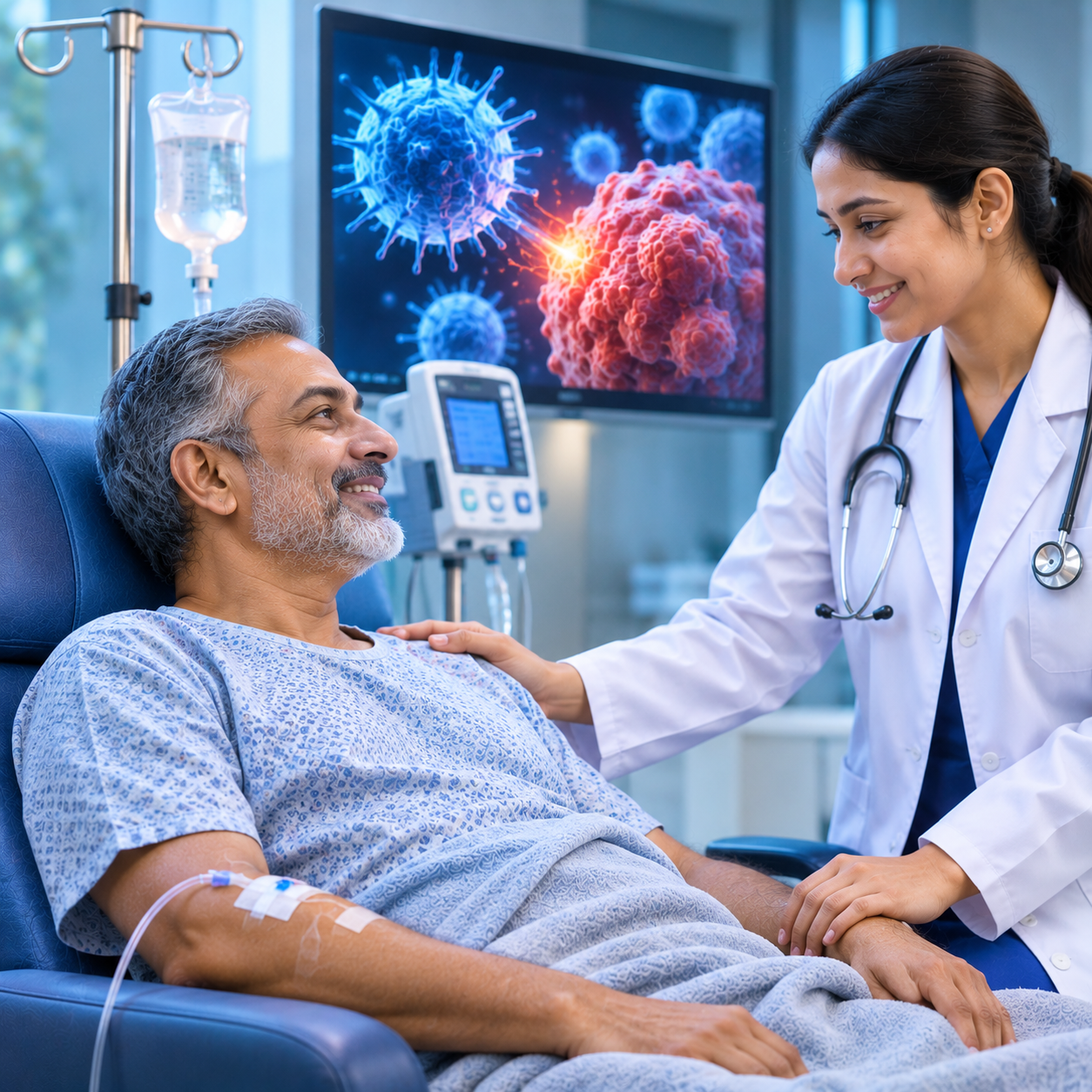
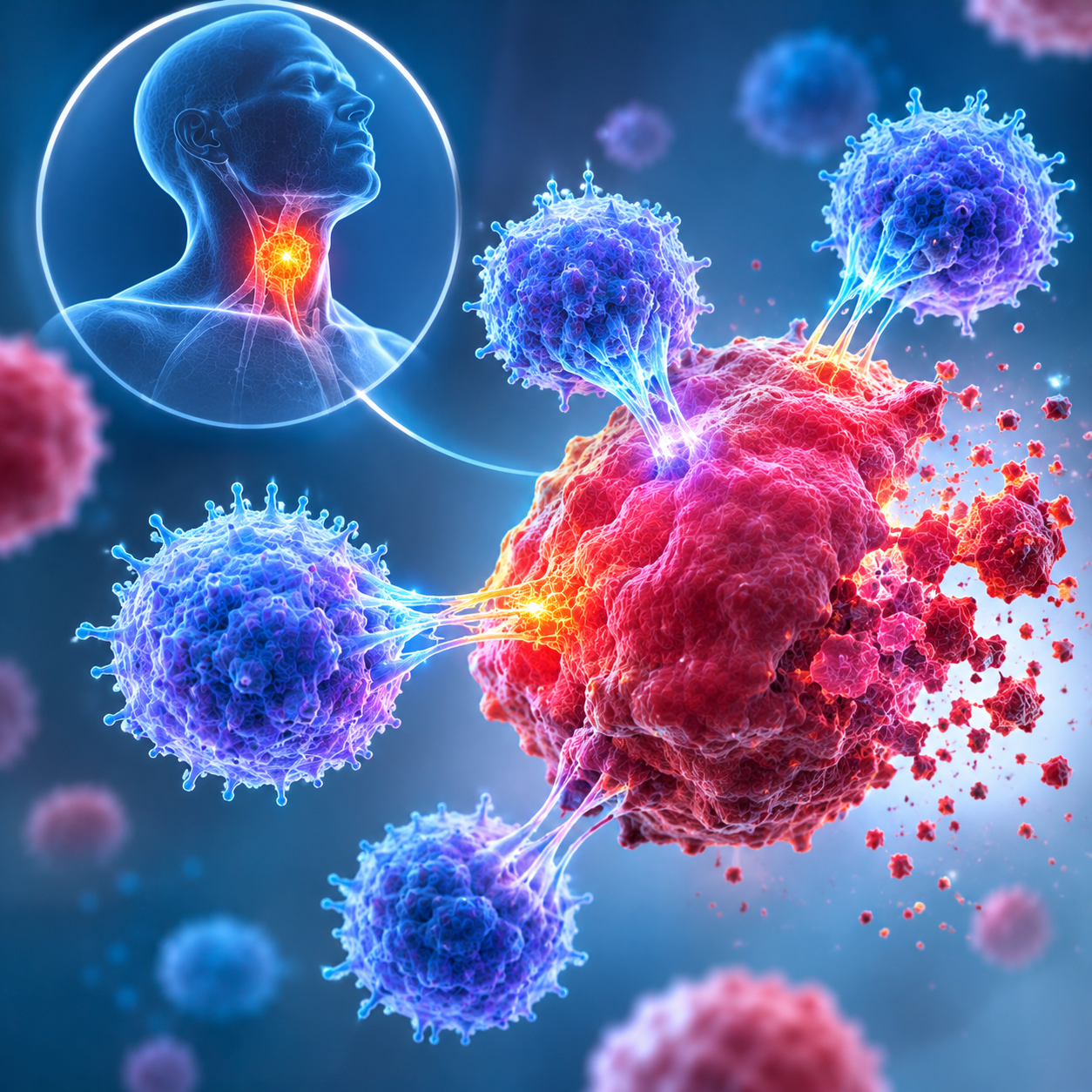
Immunotherapy is a cancer treatment that uses or supports the body's immune system to identify and attack cancer cells. Unlike treatments that directly target cancer cells, some immunotherapies help immune cells recognise cancer or remove signals that prevent an immune response.
Immunotherapy is suitable for certain cancers and is not effective for every patient or every tumour. A cancer specialist may consider the cancer type and stage, biomarker or molecular test results, previous treatments, overall health and possible risks before recommending it.
Depending on the diagnosis and approved treatment indications, immunotherapy may be considered for selected patients with cancers such as:
The decision depends on cancer-specific evidence, test results, previous treatment and individual medical history. Immunotherapy can cause immune-related side effects and requires medical supervision.
Different immunotherapy approaches work in different ways. The most appropriate option depends on the cancer diagnosis, test results, treatment guidelines and the specialist's assessment.
Medicines that block certain checkpoint proteins, helping immune cells recognise and attack cancer cells in selected patients.
Laboratory-made antibodies that may attach to specific targets on cancer or immune cells and support a treatment response.
Specialised approaches that use immune cells, such as selected T-cell therapies, which are appropriate only for particular conditions and settings.
Therapeutic vaccines aim to stimulate an immune response against cancer-related targets; availability and use depend on the specific cancer.
For some cancers, immunotherapy may be combined with chemotherapy, targeted therapy, radiotherapy or surgery as part of a planned regimen.
Care continues throughout treatment. Your oncology team monitors your response, reviews blood tests and checks for side effects. Report new or worsening symptoms promptly, even if they seem mild.
Fatigue, skin changes, diarrhoea or other symptoms may occur. Your team will explain which symptoms need urgent assessment.
Follow the recommended schedule for blood tests, examinations and scans to assess treatment response and safety.
Nutrition advice may help support healing and strength during recovery and other cancer treatments.
Scheduled appointments help review recovery, pathology results, treatment response and ongoing needs.
Keep appointments and tell your care team about new symptoms, medicines, supplements or changes in your health.
If you or a loved one is exploring cancer treatment, consult an oncology specialist to understand whether immunotherapy is appropriate and what benefits, risks and alternatives may apply.