Chemotherapy uses anti-cancer medicines to destroy cancer cells or stop them from growing. The treatment plan is selected after assessing the cancer type, stage, test results and individual health.
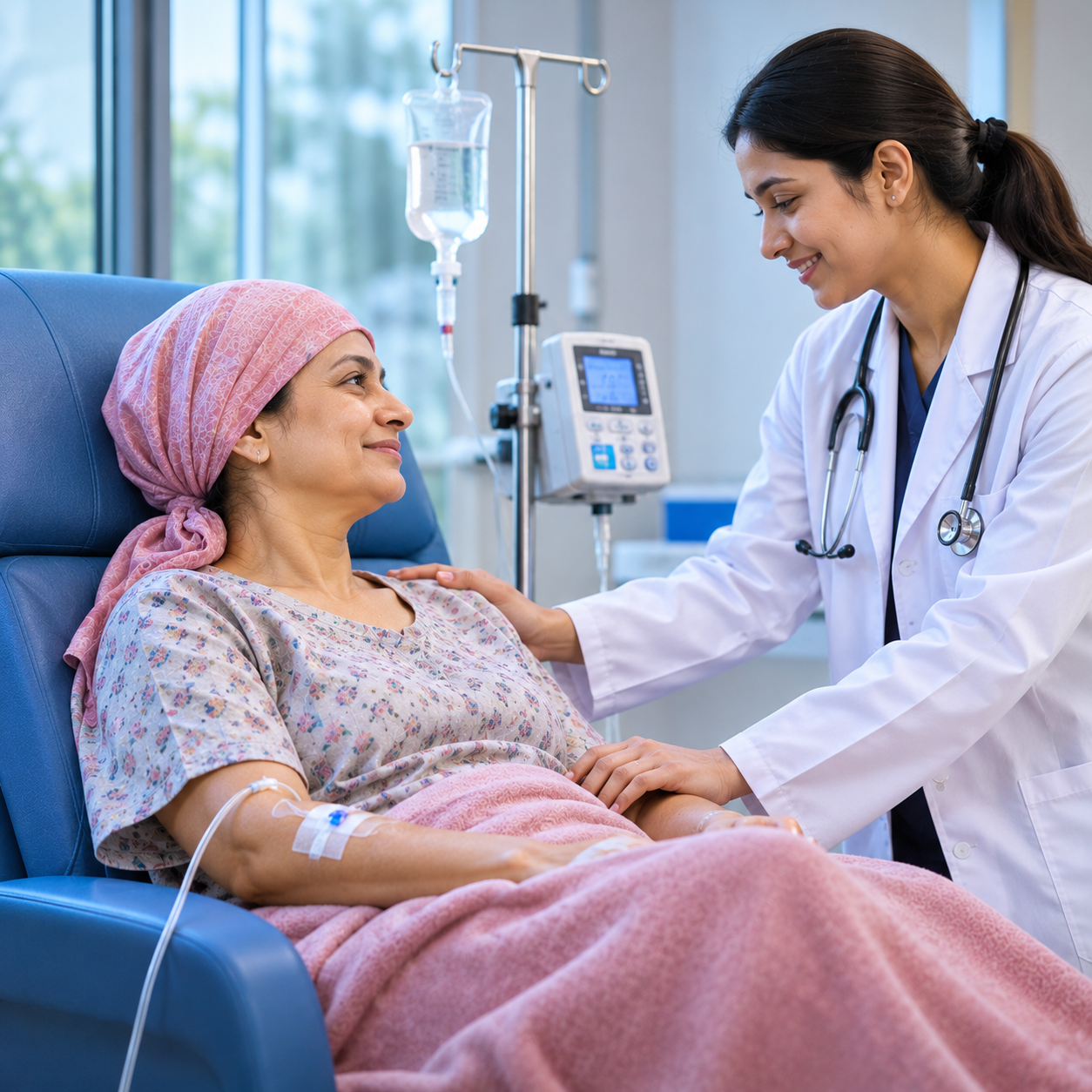

Chemotherapy is a systemic cancer treatment that uses medicines to destroy cancer cells or slow their growth. Depending on the medicines prescribed, treatment may be given through a vein, by mouth or through other medically appropriate routes.
Chemotherapy may be used on its own or alongside surgery, radiotherapy, targeted therapy or immunotherapy. The oncology team considers the cancer type and stage, treatment goals, previous treatments, general health, blood counts and organ function before recommending a regimen.
Depending on the diagnosis and treatment plan, chemotherapy may be used for many cancers, including:
The choice of medicines, doses and schedule depends on the cancer diagnosis, treatment intent and individual health. Chemotherapy can affect healthy fast-growing cells as well as cancer cells, so careful medical supervision and monitoring are essential.
Different chemotherapy approaches work in different ways. The most appropriate option depends on the cancer diagnosis, test results, treatment guidelines and the specialist's assessment.
Anti-cancer medicines are delivered into a vein, often in a day-care unit or hospital setting. The schedule depends on the prescribed regimen.
Some chemotherapy medicines are taken by mouth as tablets or capsules. Patients must follow the exact dose and timing instructions provided by their oncology team.
Two or more anti-cancer medicines may be used together to improve treatment effectiveness. The combination and cycle schedule are specific to the cancer and patient.
Chemotherapy may be given before surgery to shrink a tumour (neoadjuvant) or after surgery to reduce the risk of cancer returning (adjuvant), when appropriate.
For some advanced cancers, chemotherapy may help control disease, relieve symptoms or improve quality of life. The expected benefits and possible burdens are discussed before treatment.
Care continues throughout each chemotherapy cycle. Your oncology team monitors blood counts, organ function, treatment response and side effects. Report fever, new symptoms or worsening concerns promptly and follow the emergency instructions given by your team.
Possible side effects include nausea, vomiting, fatigue, hair loss, mouth sores, appetite changes and low blood counts. Side effects vary by medicine; your team can advise on prevention and management. Fever during chemotherapy may need urgent medical assessment.
Blood tests and, when needed, kidney or liver function tests help determine whether it is safe to proceed with the next cycle. Scans and examinations may be used to assess response.
Adequate fluids, balanced nutrition, rest and gentle activity as advised may help support wellbeing. Ask your care team before taking supplements or herbal products.
Chemotherapy is commonly delivered in cycles with planned rest periods. Keep appointments so your team can review recovery, test results and readiness for the next cycle.
Keep appointments and tell your care team about fever, new symptoms, other medicines, supplements or changes in your health. Do not change or stop prescribed chemotherapy without medical advice.
If you or a loved one is considering cancer treatment, consult an oncology specialist to understand the recommended chemotherapy plan, expected benefits, possible risks and available alternatives.